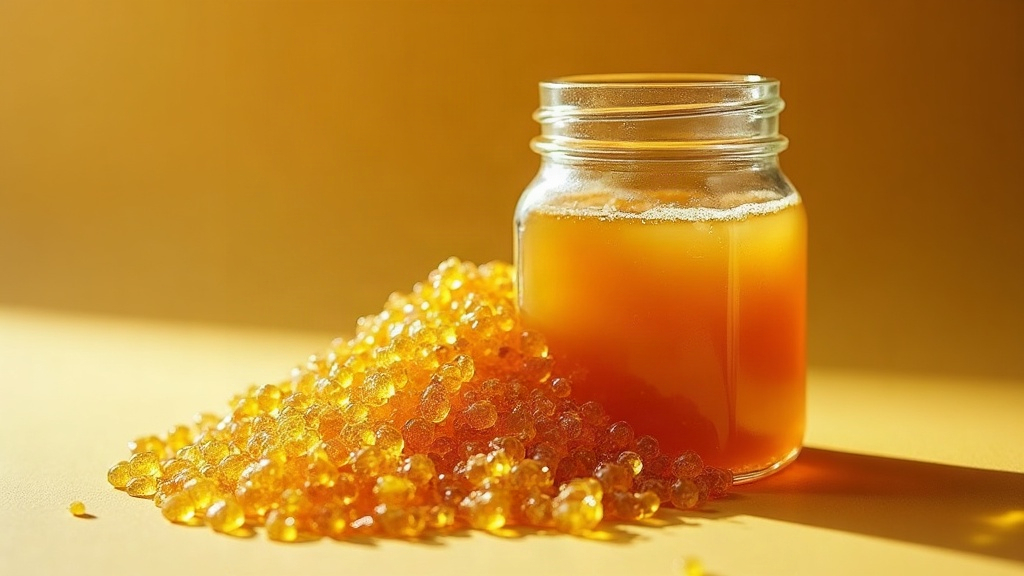
A Look at Everyday Habits

Why Market-Day Cooks Still Talk About Biblical drink (oil)/ Honey blend

Before it had a fancy name, Biblical drink (oil)/ Honey blend was just something grandmothers picked up at the corner market and stirred into ordinary meals. This page looks at that habit — nothing more.

Everyday Nutrition  ·  Daily Habits  ·  Educational Content  ·  Everyday Nutrition  ·  Daily Habits  ·  Educational Content

The Same Day, On Repeat

Some days feel like they run on their own script. Here’s what that script usually looks like.

The Morning Drag

You wake up tired even after a full night's sleep. Coffee helps for an hour, then the fog rolls back in.

The 'What Do I Eat' Loop

Breakfast, lunch, dinner — every plate turns into a small debate. Is this okay? Is that better? The questions never really stop.

The Weight of Deciding

Choosing what goes on the plate, three times a day, adds up. By dinner, deciding feels heavier than cooking.

The Afternoon Crash

Lunch ends and an hour later, energy drops off a cliff. The couch looks a lot more appealing than the to-do list.

What Gets Said at the Market vs. What's True

Between stalls and grocery aisles, a lot of food advice gets passed around. Some of it holds up. Some of it doesn’t.

MYTH

All carbs are the enemy.

FACT

Carbohydrates are just one part of a plate. What matters more is what they’re paired with and how the meal is put together — worth discussing with a dietitian or doctor who knows your history.

MYTH

Fruit is basically candy.

FACT

Whole fruit comes with fiber and water that candy doesn’t. Context and portion matter more than a blanket rule.

MYTH

There’s a special ‘diabetic food’ aisle that solves everything.

FACT

Most everyday foods can fit into a routine in some form. A label on a package doesn’t replace a plan made with a healthcare provider.

Three Habits Worth Noticing at Mealtime

None of this is a program. It’s just how some people structure the meals they already eat.

01

Order on the Plate

Some households start with vegetables, then protein, then the starch last. It’s a habit passed down more than a rule written anywhere.

02

The Pace of the Meal

Eating slower, with actual pauses, is an old habit that’s easy to forget on a busy weekday.

03

A Short Walk After Eating

A stroll to the mailbox or around the block after dinner used to be common. It’s a small habit, not a fix for anything.

Where Biblical drink (oil)/ Honey blend Actually Comes From

Long before wellness aisles existed, oil-and-honey blends showed up in home kitchens across the Mediterranean and the Middle East. Markets sold raw honey by the jar and cold-pressed oils by the bottle, and cooks mixed the two into bread dips, dressings, and simple morning routines. It wasn’t medicine — it was breakfast, or a way to finish a piece of flatbread. Recipes traveled through families the way recipes do: by watching, not by reading a label.

The tradition is about food and family kitchens, not about any effect on the body. It’s a story worth knowing simply because it’s a good story.

Moments Worth Bringing Up With Your Doctor

A Pattern You Can't Explain

If energy dips or spikes seem to follow no clear pattern, that's worth describing to the doctor who already tracks your health.

Meals Feel Harder to Plan Than Usual

If putting together a meal feels more confusing than it used to, mention it at your next appointment.

Sleep and Appetite Feel Off Together

When sleep and hunger both feel unusual at the same time, it's a good detail to share with your healthcare provider.

A New Symptom Shows Up

Any new or unusual physical sign is a reason to call your doctor's office, not a search engine.

Questions About Current Medication

Any questions about a prescribed treatment belong with the prescriber — never adjust or stop it without that conversation.

Big Changes in Routine

Before making any meaningful change to diet or daily habits, loop in the professional who manages your care.

Notes From Everyday Kitchens

I started organizing my plate the same way every night — vegetables first, then everything else. It made dinner feel less chaotic.

Marta H.
Illustrative account
Walking after dinner became a habit almost by accident. Now it's just part of how the evening goes.
Diego R.
Illustrative account
Slowing down at meals took practice. It's less about the food now and more about actually sitting down for it.
Priya S.
Illustrative account

These are individual experiences shared for illustrative purposes only. They describe personal routines, not medical outcomes, and results or habits vary from person to person. This is not a guarantee of any result.

Curious How Small Habits Fit Into Your Day?

This page is educational — it’s not a treatment plan and it doesn’t replace your doctor. If you’re managing your blood sugar with a healthcare provider, keep following their guidance and loop them in before changing anything about your routine, diet, or medication.

Advertising Disclosure: This page is sponsored content and may contain affiliate links. We may receive compensation if you click a link or make a purchase through this page. This does not affect the price you pay and helps support the content we publish.

Content Disclaimer: This content is for educational and informational purposes only. It has not been evaluated by the FDA and is not intended to diagnose, treat, cure, or prevent any disease. Nothing on this page should be taken as medical advice or as a substitute for professional medical guidance. Always consult a qualified healthcare professional before changing your diet, your daily routine, or any prescribed treatment.

Results Disclaimer: Individual results vary. Any testimonials or examples shared on this page reflect personal experiences and are not a guarantee of any specific outcome.

© 2026 · All Rights Reserved